Address
Floor 3, Building B, Honghua Science And Technology Innovation Park,
Longhua District, Shenzhen
Work Hours
Monday to Friday: 9AM - 9PM
Weekend: 10AM - 6PM
Address
Floor 3, Building B, Honghua Science And Technology Innovation Park,
Longhua District, Shenzhen
Work Hours
Monday to Friday: 9AM - 9PM
Weekend: 10AM - 6PM

 ByBT-PON
In the high-stakes world of private poker games and underground Texas Hold’em or Omaha sessions, every millimeter and every lumen counts when deploying a poker analyzer paired with barcode marked cards. Whether you’re running a CVK 600, AKK A5 Pro, PK wide-range scanner, or a full GS poker cheating device kit, mastering scanning distance and lighting optimization is the difference between consistent winner predictions and frustrating mid-game failures.
This guide draws from real-world casino operator feedback and 2026 model testing data to deliver battle-tested techniques that keep your barcode marked cards scanner performing at 99.9% accuracy—without raising suspicion from the eye in the sky or table surveillance.
Barcode marked cards rely on invisible side-edge barcodes that only a specialized poker scanner can decode. The poker analyzer (whether built-in iPhone CVK series or dedicated AKK unit) then runs real-time equity calculations and delivers the winner via Bluetooth earpiece or vibration mode.
If the camera-to-card distance is off by even 5 cm or lighting creates glare/reflections, the system misses scans, delays results, or reports inaccurate seat rankings. In a 9-handed Omaha game, that single error can cost you the entire pot—and your edge.
Most professional poker analyzers are engineered for discreet, in-hand or table-edge operation:
Pro tip for casino play: Always test your exact setup in the actual playing environment. A barcode marked cards scanner that works perfectly at 30 cm under home lighting may fail at 35 cm under casino chandelier glare.
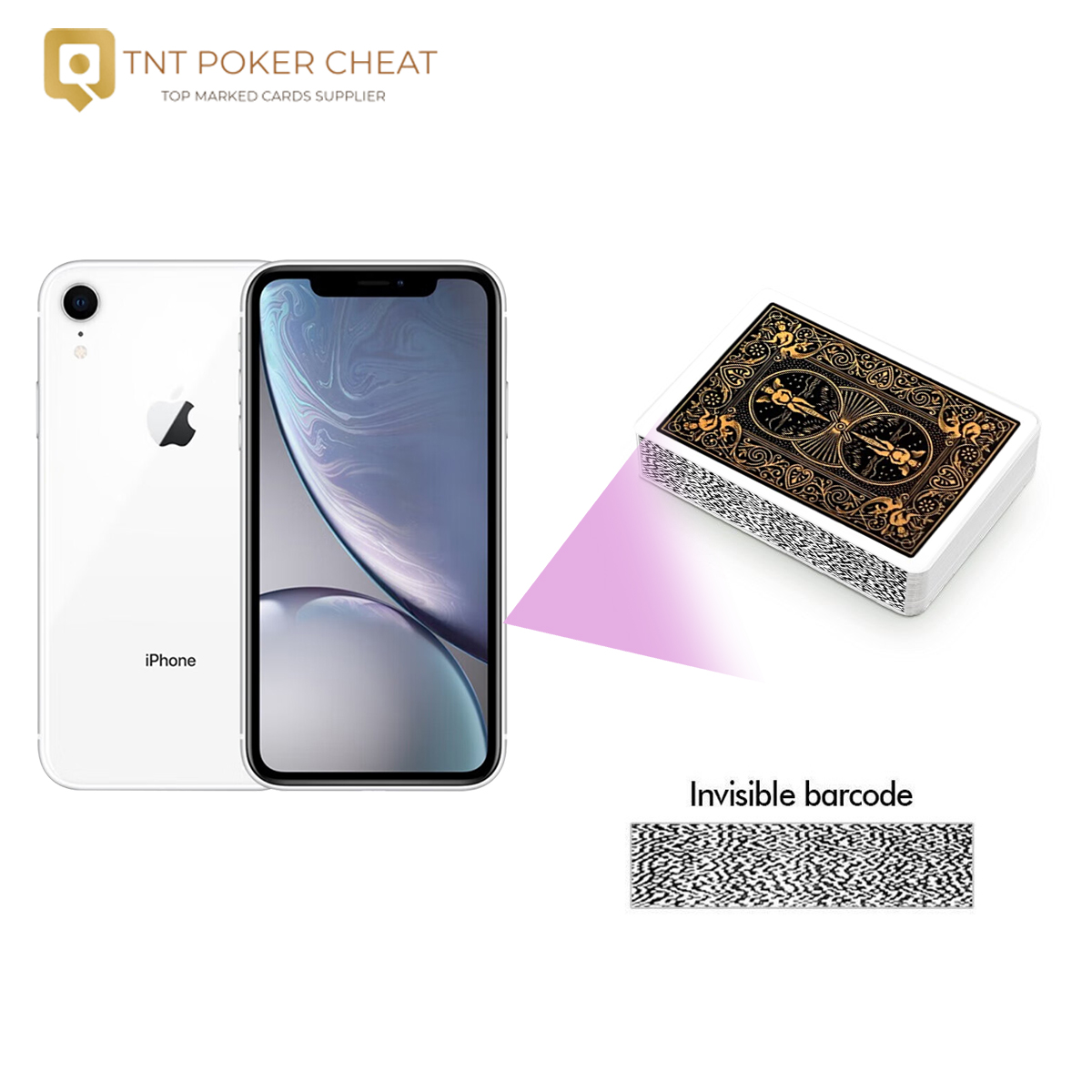
Lighting is the silent killer of poker analyzer performance. Barcode edges are printed with precision invisible ink—too much contrast or reflection and the decoder engine fails.
Ideal lighting conditions (300-500 lux):
Practical casino adjustments:
Common lighting-related failures and instant fixes:
Mastering these barcode marked cards distance and lighting techniques gives you the invisible edge that turns marginal calls into profitable decisions across every seat.
Ready to equip yourself with the latest 2026 poker analyzers, barcode marked cards, wide-range scanners, and complete poker cheating device kits?
Explore our full collection of professional-grade poker analyzers—including CVK 600, AKK A5 Pro, PK models, and GS systems—at: https://www.pokercheat8.com/collection/poker-cheating-device/poker-analyzer/
All kits ship with verified barcode marked decks, multiple scanning options, and lifetime firmware support so you stay ahead of the game—discreetly and reliably.
Play sharper. Win bigger. Stay invisible.


